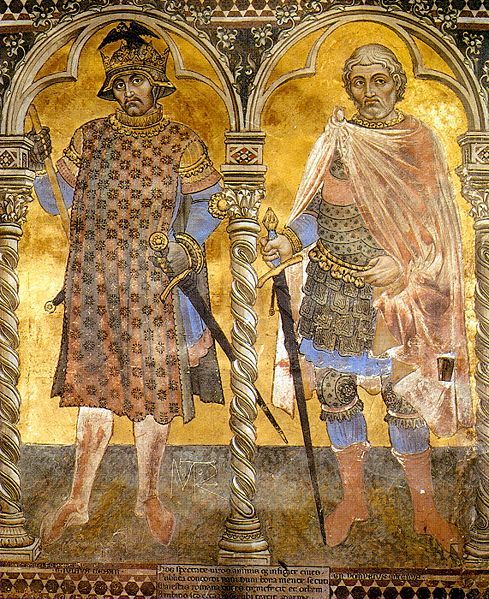
After the turmoil and uncertainty of Henry IV a new era appears to dawn for England with the accession of the eponymous Henry V. In this sunny pageant Chorus guides us along Henry’s glittering carpet ride of success as the new king completes his transformation from rebellious wastrel to a truly regal potentate. Of course, there is an underlying feeling that the good times won’t last, and this is all the more reason to enjoy the Indian summer before the protracted and bitter fall of the house of Lancaster. (Introduction by Algy Pug for Librivox)
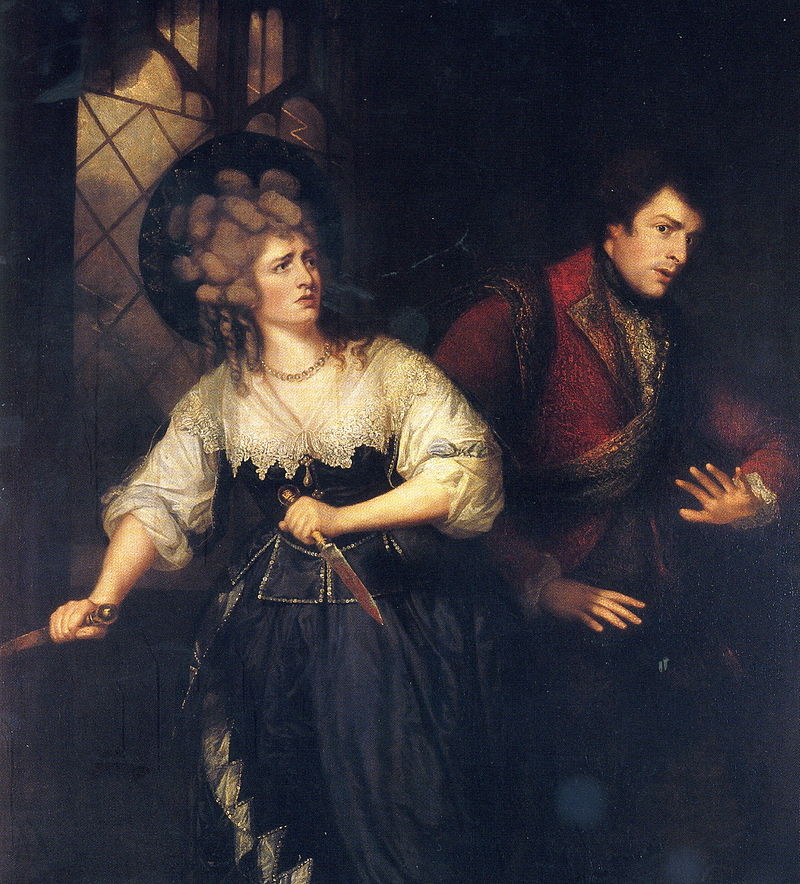
Macbeth is a play written by William Shakespeare. It is considered one of his darkest and most powerful tragedies. Set in Scotland, the play dramatizes the corroding psychological and political effects produced when its protagonist, the Scottish lord Macbeth, chooses evil as the way to fulfill his ambition for power. He commits regicide to become king and then furthers his moral descent with a reign of murderous terror to stay in power, eventually plunging the country into civil war. In the end, he loses everything that gives meaning and purpose to his life before losing his life itself. (Summary by Wikipedia)
Shakespeare made easier for schoolchildren and baffled adults with an easy to understand narrative adaptation and parallel text with the original. Why adapt Shakespeare? Well, it’s hard! A lot of actors in Shakespeare productions can act it, confusing audiences. A lot of teachers can’t teach it, confusing pupils. A lot of parents lack confidence helping with homework. This is for students of all ages and parents, too. The purpose is to make Shakespeare comprehensible and accessible. Shakespeare is the greatest of writers, for that reason everyone must attempt to grasp his genius. Read the original first and then consult this adaptation to help you. Use this as an aid. The poetry of the original cannot be matched. The action of Book One, Chapter 1 corresponds with Act One, Scene 1, (for the podcasts Episode 1 is 1-1) and so on This recording of Hamlet is read by Michael Matus, who has acted extensively with the RSC and will be appearing at the Globe in London during the Summer 2008 season.
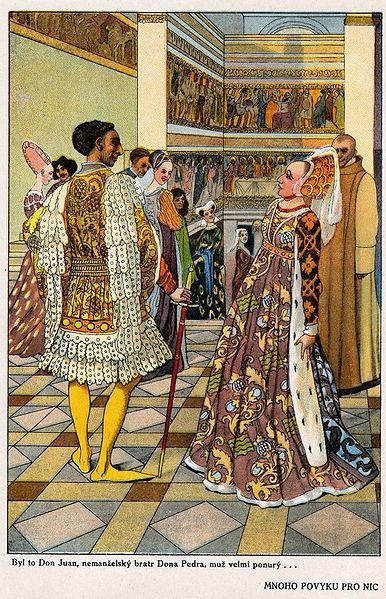
Summary: Written around the middle of his career, Much Ado About Nothing is one of Shakespeare’s great festive comedies. The men are back from the war, and everyone is ready for romance. The dashing young Claudio falls for Hero, the daughter of Leonato, governor of Messina, and his friend Don Pedro helps him secure her affection. These youthful lovers are contrasted with the more experienced (and more cynical) Benedick and Beatrice, who have to be tricked into falling in love. Don Pedro’s brother, Don John, provides the intrigue, and the dimwitted constable Dogberry provides the laughs. (Summary by Elizabeth Klett for Librivox)
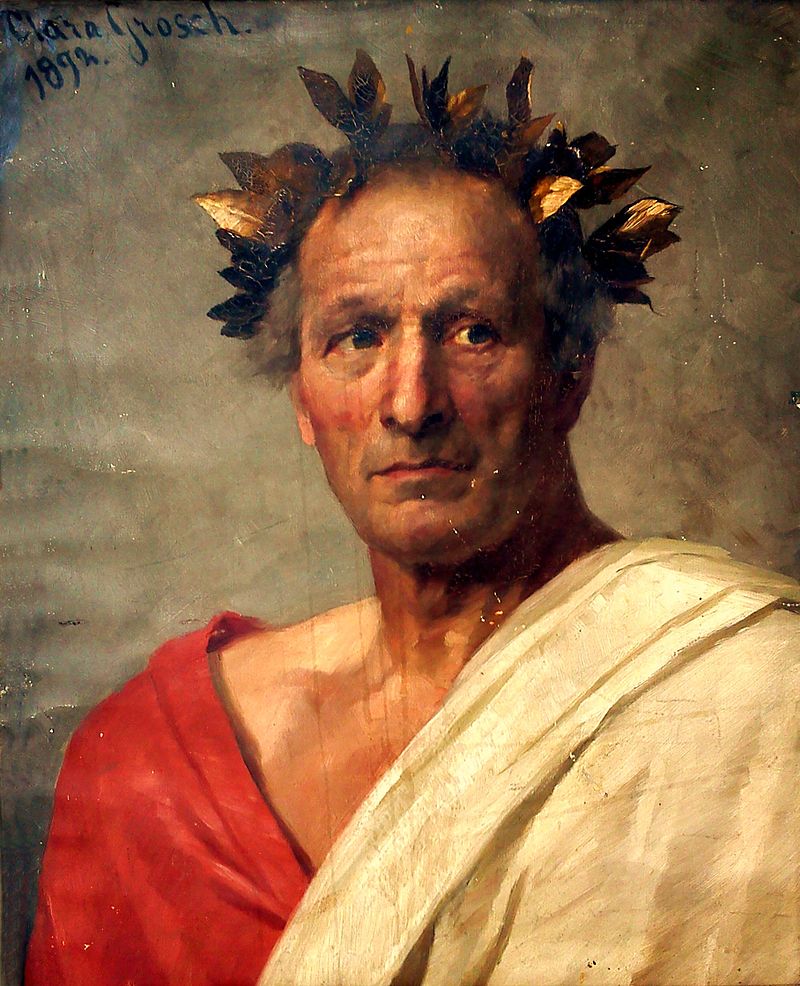
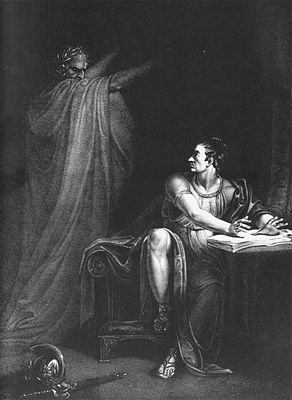
Summary: William Shakespeare’s The Tragedy of Julius Caesar, based on true events, concerns the conspiracy against Julius Caesar, his assassination in 44 BC, and its immediate aftermath. Probably written in 1599 and among the first of Shakespeare’s plays to be performed at the Globe Theater, Julius Caesar is one of his best-known dramas and has received innumerable performances throughout the centuries. (Summary by Laurie Anne Walden after Wikipedia)
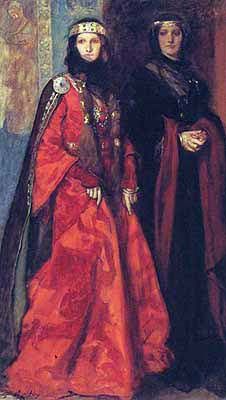
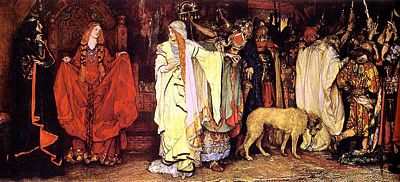
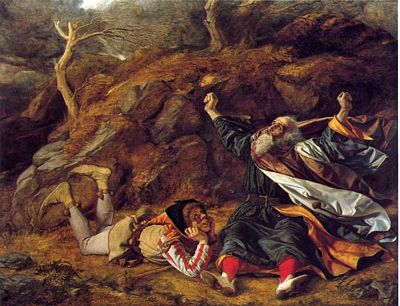
Summary: King Lear is widely held as the greatest of Shakespeare’s tragedies; to some, it is the greatest play ever written. King Lear abdicates the British throne, to divide his kingdom among his three daughters in proportion to their professed love of him. His plan misfires when Cordelia, his youngest and favourite daughter, refuses to flatter her father; she is disinherited and banished. (Summary by David Barnes for Librivox)
To listen, click play in the box below or click on the chapter links.
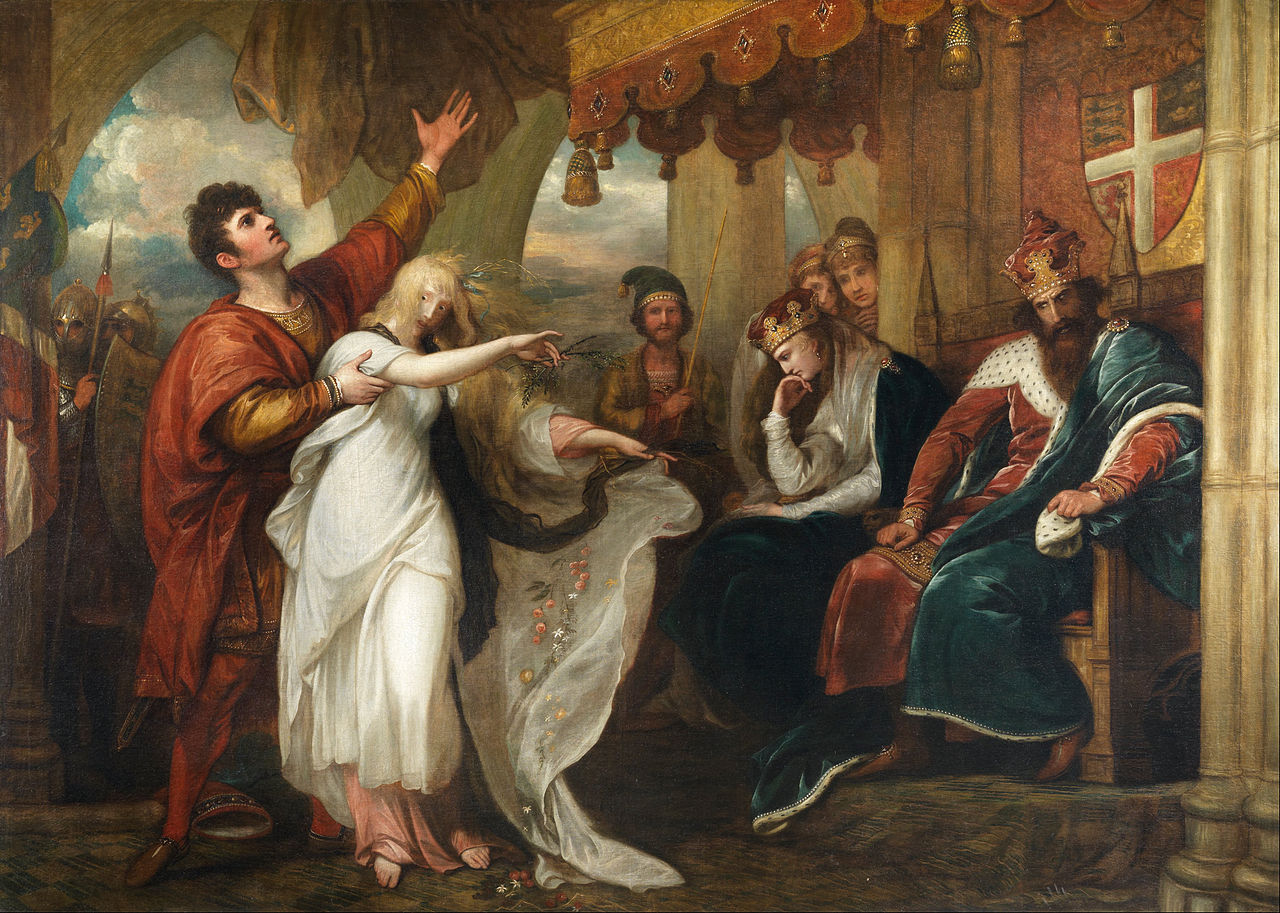
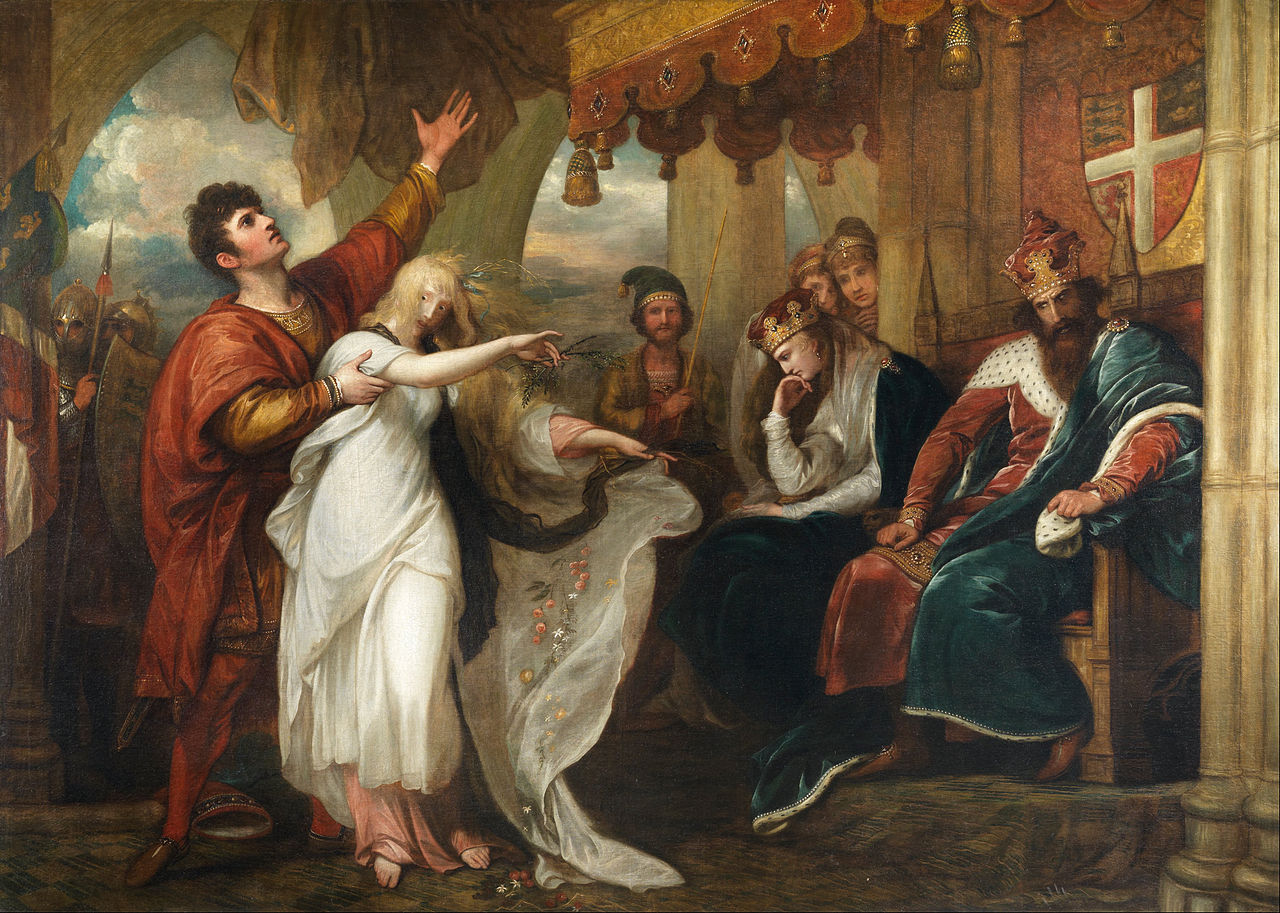
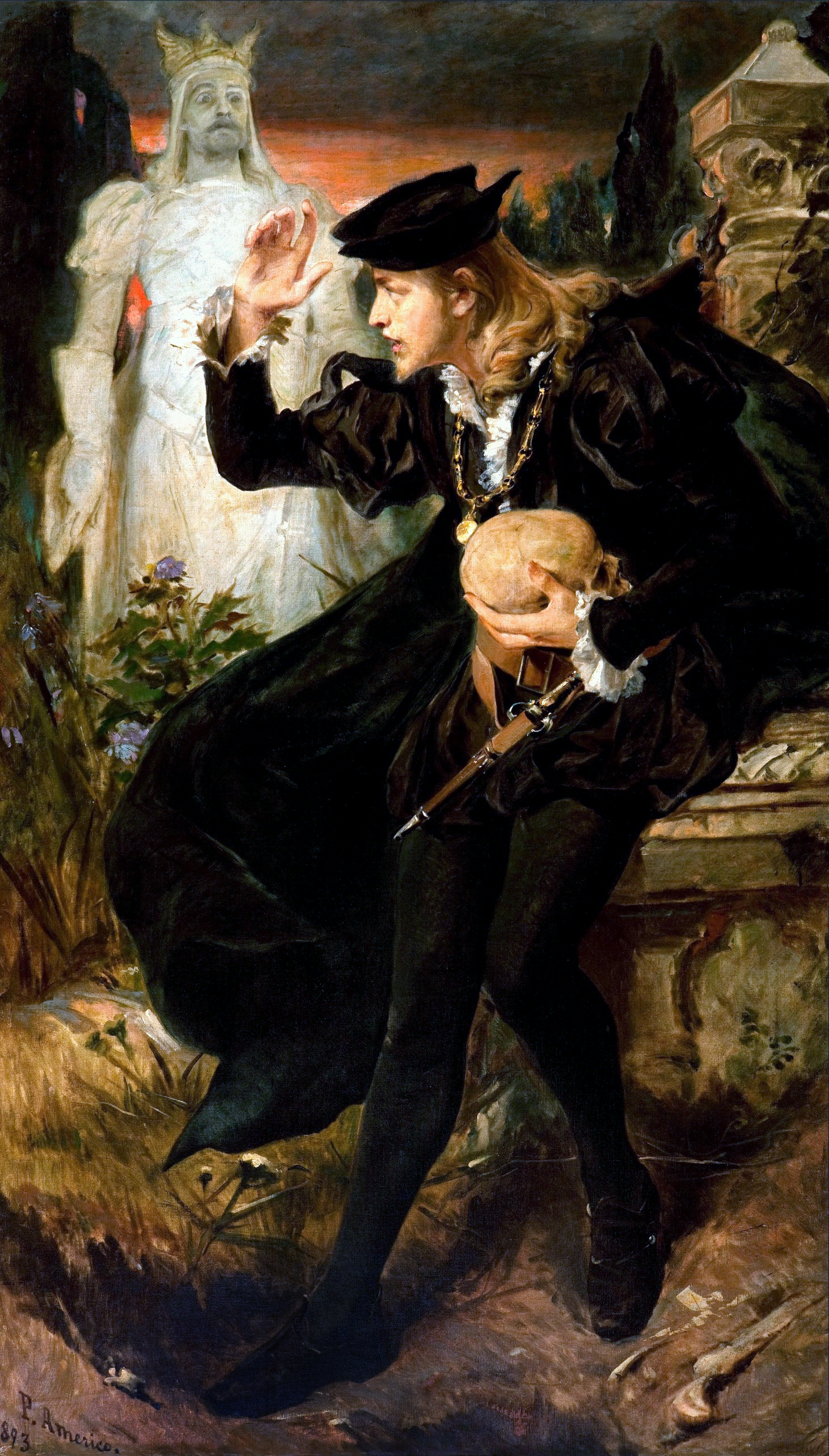
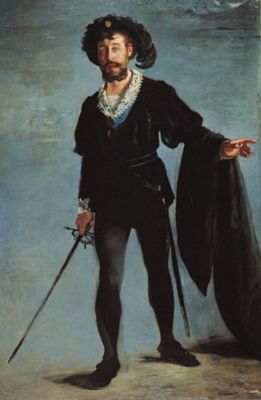
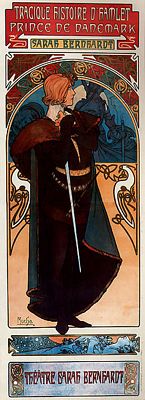
Summary from Librivox: Hamlet is commonly regarded as one of the greatest plays ever written. Drawing on Danish chronicles and the Elizabethan vogue for revenge tragedy, Shakespeare created a play that is at once a philosophic treatise, a family drama, and a supernatural thriller. In the wake of his father’s death, Prince Hamlet finds that his Uncle Claudius has swiftly taken the throne and married his mother, Queen Gertrude. The ghost of the dead king then appears and charges Claudius with ‘murder most foul.’ Hamlet is called to revenge his father’s death: but will he be able to act before it is too late?
Summary: William Shakespeare’s The Merchant of Venice was probably written between 1596 and 1598, and was printed with the comedies in the First Folio of 1623. Bassanio, an impoverished gentleman, uses the credit of his friend, the merchant Antonio, to borrow money from a wealthy Jew, Shylock. Antonio pledges to pay Shylock a pound of flesh if he defaults on the loan, which Bassanio will use to woo a rich heiress, Portia. A subplot concerns the elopement of Shylock’s daughter Jessica with a Christian, Bassanio’s friend Lorenzo. In its focus on love and marriage, the play shares certain concerns with Shakespeare’s other comedies. Yet its depiction of the tensions between Jews and Christians in early modern Venice – and its highly dramatic trial scene in Act 4 – create darker currents in the play. (Summary by Elizabeth Klett for Librivox)
Called (inaccurately)Princess Elizabeth of England, the later Queen Elizabeth of England I., at the age of three (right), at the age of five (left) and at the age of six (middle), daughter of King Henry VIII of England and Anne Boleyn, 16th century. The fashions are of the 17th century long after Elizabeth died.
Note: The author mistakenly introduces this chapter as “chapter 3”, but she reads Chapter 2, Childhood of a Princess.
Summary: Hidden and mistaken identities, requited and unrequited loves, pranks and jokes abound in this romantic comedy. (Summary by Karen Savage for Librivox)